
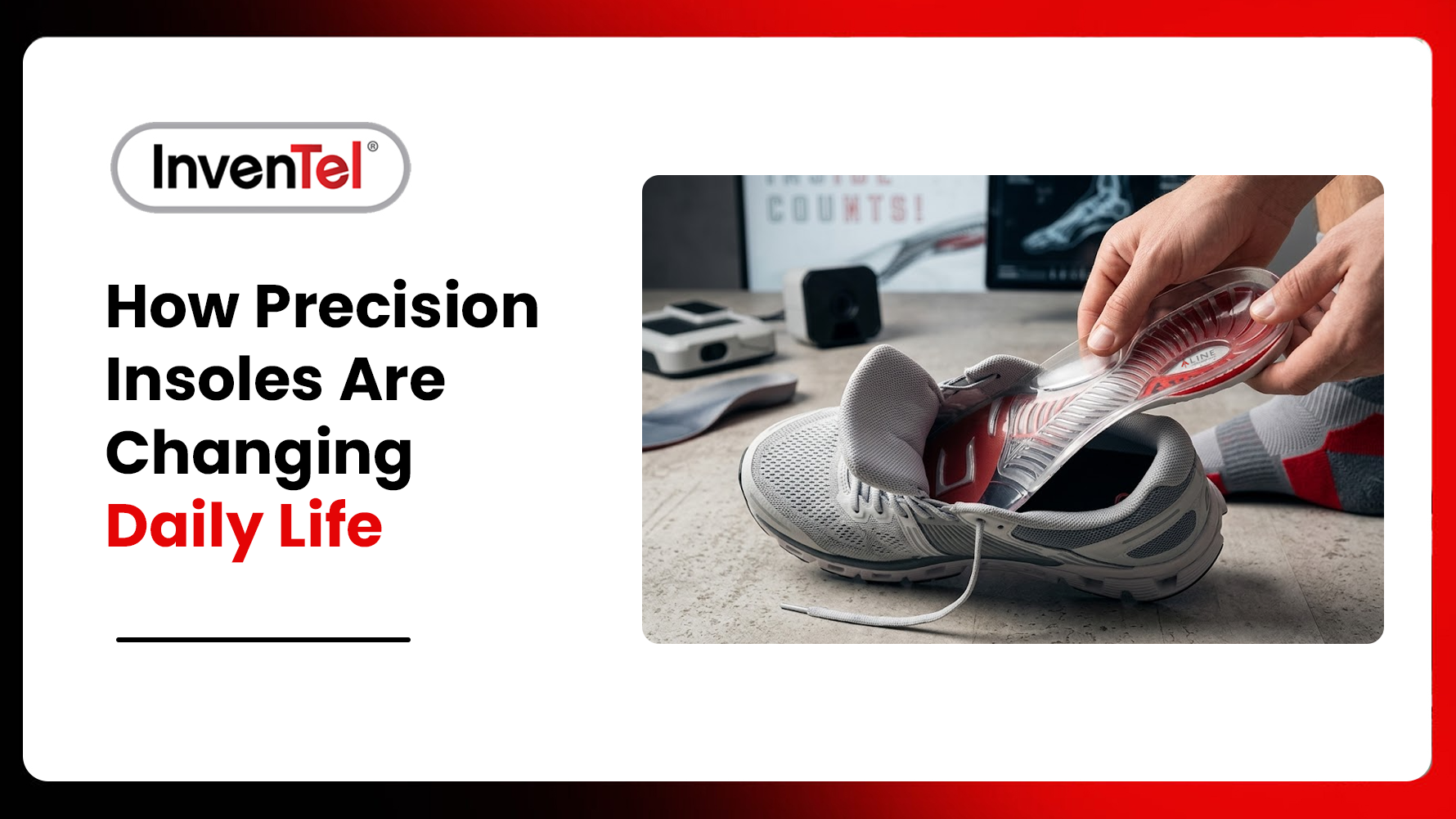
Quick Summary
- Precision insoles are designed to provide more targeted support than standard inserts.
- They help improve comfort, stability, and pressure distribution during daily movement.
- Some people use them for heel discomfort, long workdays, athletic training, and recovery.
- Many designs focus on alignment, support, and controlled movement instead of cushioning alone.
- The right insole depends on activity level, foot structure, footwear, and comfort preferences.
Why More People Are Paying Attention to Foot Support
The feet absorb constant impact throughout the day. Walking, standing, climbing stairs, and exercise repeatedly load the heels, arches, and ankles with force. Over time, even small support issues can affect movement quality and overall comfort.
When the foot does not stay in a stable position, pressure may shift unevenly across the body. This can gradually influence how the knees, hips, and lower back handle movement during daily activity.
What Are Precision Insoles?
Designed for More Targeted Support
Precision insoles are designed around structure instead of softness alone. Many models focus on:
- Foot shape
- Pressure distribution
- Walking or running mechanics
Some use layered materials or contoured designs to create more controlled movement under the foot.
Unlike flat inserts, these insoles aim to support how force travels during movement rather than simply adding extra padding.
Different from Basic Cushion Inserts
Standard inserts are usually designed with comfort in mind from the first step. Many rely on soft foam or gel materials that compress under pressure.
Precision-focused designs often place more emphasis on:
- Stability
- Alignment support
- Weight distribution
- Controlled movement
That difference becomes more noticeable during prolonged standing, walking, or repeated activity.
How Precision Insoles May Support Daily Comfort
Arch Support and Heel Stability
Many precision insoles include firmer arch support and deeper heel structures. These features can help the foot stay more stable inside the shoe during movement.
A steadier heel position may also help reduce extra motion that contributes to fatigue over time.
Pressure Redistribution
Walking and standing place repeated force on small areas of the foot, especially around the heel and forefoot.
Structured insoles may help spread that pressure more evenly across the foot surface. This can reduce concentrated stress during long periods on hard floors or pavement.
Shock Absorption During Movement
Hard surfaces create repeated impact with every step. Certain insole materials are designed to absorb part of that force before it travels upward through the body.
This may help improve comfort during:
- Walking
- Running
- Standing for extended periods
How They Compare to Standard OTC Insoles
| Feature | Precision Insoles | Standard OTC Insoles |
| Fit | More structured or customized support | General sizing |
| Support Focus | Alignment and stability | Basic cushioning |
| Materials | Firmer or layered designs | Foam or gel-based |
| Typical Use | Ongoing support or activity use | Everyday comfort |
Common Situations Where People Use Precision Insoles
Long Hours Standing or Walking
People who spend most of the day upright often look for more stable support underfoot. This includes:
- Retail workers
- Healthcare staff
- Warehouse employees
- Frequent travelers
Long periods on hard flooring can increase fatigue and concentrated heel pressure over time.
Athletic or Active Lifestyles
Running, gym training, and sports place repeated force on the feet and lower body. Some athletes use structured insoles to improve comfort and reduce movement-related strain during activity.
This is especially common in activities involving repetitive impact or quick directional changes.
Everyday Comfort Goals
Not every user is dealing with a medical issue or sports training. Some simply want:
- Better pressure distribution
- Improved shoe fit
- Less daily foot fatigue
- More stable walking comfort
Understanding Biomechanics and Alignment
Foot Position Can Influence Movement
The foot acts as the base of the body during movement. Small changes in positioning can affect how force travels upward through:
- Knees
- Hips
- Lower back
When support is uneven, the body may compensate in ways that gradually increase strain over time.
Support Needs Vary by Individual
Not everyone needs the same level of structure or correction. Foot shape, movement style, footwear, and activity level all influence what feels comfortable.
A design that feels supportive for one person may feel too firm or too soft for someone else.
Choosing the Right Type of Insole
OTC Insoles
Over-the-counter insoles are commonly used for:
- Mild support
- Extra cushioning
- General comfort
They are widely available and often work well for short-term or light daily use.
Precision or Custom Options
More structured or customized insoles may be considered for:
- Ongoing discomfort
- High activity levels
- Repeated standing or walking
- More tailored fit preferences
These designs usually focus more heavily on movement control and pressure management.
Factors to Consider
Choosing the right insole often comes down to:
- Shoe type
- Daily activity
- Foot shape
- Personal comfort preferences
Fit inside the shoe also matters. An insole that crowds the foot can create new pressure points instead of improving comfort.
What to Expect When Switching Insoles
Adjustment Period
Structured insoles can feel unfamiliar at first, especially after wearing flat foam inserts for years. Some people adapt within a few days, while others need several weeks before the support feels natural.
Fit Matters
An insole should work with the shoe instead of overpowering it. Proper sizing helps:
- Improve stability
- Reduce slipping
- Prevent unnecessary friction
A poor fit can reduce the benefits of even a well-designed insole.
Common Misconceptions About Insoles
More Cushioning Isn’t Always Better
Very soft inserts may feel comfortable initially, but compress quickly with repeated use. Once the material flattens, support and pressure control can decrease significantly.
One Style Doesn’t Work for Everyone
Different activities create different support demands. Running, standing all day, and casual walking do not place stress on the foot in the same way.
Insoles Are Part of a Larger Footwear Setup
Even a high-quality insole cannot fully compensate for poorly fitting shoes. Shoe structure, sizing, and overall support still play a major role in comfort and movement quality.
Trends Driving Interest in Precision Insoles
Increased Focus on Mobility and Recovery
More people are paying attention to how movement feels during everyday life. Comfort, recovery, and long-term mobility have become larger priorities for both active individuals and general consumers.
Structured support products have gained attention as part of that broader focus.
Advancements in Fit and Materials
Newer manufacturing methods have expanded customization options. Some companies now use:
- 3D scanning
- Pressure mapping
- Layered material systems
These developments allow for more tailored support compared to traditional flat inserts.
FAQs
1. What are precision insoles?
Precision insoles are support-focused shoe inserts designed to improve stability, pressure distribution, and movement support more precisely than standard foam inserts.
2. How are precision insoles different from regular inserts?
Many regular inserts focus mainly on cushioning, while precision designs often prioritize structure, alignment, and controlled support.
3. Can insoles help with heel discomfort?
Some structured insoles may help reduce concentrated heel pressure by improving support and redistributing force during movement.
4. How long do precision insoles typically last?
Lifespan depends on activity level, body weight, materials, and frequency of use. Many structured insoles last longer than basic foam inserts because they resist compression more effectively.
5. Are custom insoles necessary for everyone?
No. Some people do well with general over-the-counter (OTC) support, while others prefer more customized or activity-specific designs depending on comfort and movement needs.
Conclusion
Precision insoles have become a popular option for people looking for more structured foot support during everyday movement.
Different designs focus on comfort, stability, pressure distribution, and movement support in different ways. The best option often depends on activity level, footwear, and individual comfort preferences.
For many people, a better fit and more supportive structure may help make walking, standing, and daily movement feel more stable and less fatiguing over time.